

Guide to Nutritional Choices and Body Weight Dynamics
Educational content only. No promises of outcomes.
Fundamentals of Energy Balance
Understanding how your body regulates energy is central to nutritional science. This section explores the core physiological principles that govern how food intake, expenditure, and lifestyle factors interact.
The human body operates on fundamental principles of energy equilibrium. The energy you consume through food and beverages either fuels daily activities and body functions, or is stored for later use. This process involves complex interactions between what you eat, how your body processes nutrients, your physical activity level, and various lifestyle factors.
Energy balance is not static—it fluctuates based on food choices, portion sizes, activity patterns, sleep quality, stress levels, and individual physiological differences. Understanding these mechanisms helps explain why different dietary approaches work differently for different people, and why sustainable nutrition is more nuanced than simple calorie counting.
Macronutrient Categories and Their Roles
Proteins, carbohydrates, and fats each serve distinct functions in your body. Explore how these major nutrient categories influence satiety, energy delivery, and overall metabolic health.

Synergies and Food Combinations
Macronutrients work together synergistically. Combining protein with complex carbohydrates and healthy fats slows digestion, provides sustained energy, and improves satiety. The matrix of a whole food—not isolated nutrients—is what matters most for physiological response.
Food Processing and Metabolic Response
How food is processed affects how your body responds to it. Whole foods trigger different physiological responses than highly processed alternatives.
The structure and composition of food significantly influence how your digestive system handles it. Whole foods with intact fiber matrices are digested more slowly, maintaining more stable blood sugar and providing sustained satiety. Highly processed foods with added sugars, refined grains, and removed fiber are absorbed quickly, causing rapid blood sugar spikes and shorter satiety duration.
Food processing also affects nutrient density and the phytonutrient compounds found in whole foods. These compounds, beyond basic vitamins and minerals, contribute to the food's metabolic and health-related effects. Understanding these differences helps explain why food choice—not just quantity—matters for overall nutrition and wellbeing.
Satiety and Appetite Signals
Your body communicates hunger and fullness through complex hormonal and neurological mechanisms. Learn how different foods and eating patterns influence these signals.
How Your Body Signals Fullness
Satiety is regulated by hormones like leptin, peptide YY, and GLP-1, which signal to your brain that energy intake is sufficient. Cholecystokinin (CCK) is released in response to protein and fat, contributing to post-meal fullness. These signals are influenced by nutrient composition, meal size, eating pace, and psychological factors.
Certain foods elicit stronger satiety signals per calorie than others. Whole foods high in protein, fiber, and water—such as vegetables, legumes, and lean proteins—generally produce greater satiety than calorie-dense, processed alternatives.

Common Nutritional Assumptions and Evidence
The nutrition science landscape is filled with myths and oversimplifications. This section clarifies what evidence actually shows.
Incidental Daily Movement and Energy Use
Non-exercise activity thermogenesis (NEAT) encompasses all the energy your body expends outside of formal exercise. This often-overlooked factor significantly influences overall energy balance.

Beyond the Gym: Everyday Movement Matters
NEAT includes walking, occupational activities, maintaining posture, fidgeting, and all daily movement outside structured exercise. For many people, NEAT accounts for a significant portion of daily energy expenditure and varies greatly between individuals and occupations.
Increasing NEAT through everyday activities—choosing stairs, parking further away, standing while working, or simply moving more throughout the day—influences overall energy balance without requiring formal exercise. This is a sustainable, realistic approach to increasing activity that fits most lifestyles.
Hydration and Physiological Function
Water is essential for every function in your body. Understanding hydration goes beyond simply "drinking eight glasses."
Water's Role in Metabolism and Appetite
Adequate hydration supports metabolic function, nutrient transport, and temperature regulation. Thirst is a delayed indicator of hydration needs, making consistent fluid intake important throughout the day.
Hydration status also influences appetite perception—thirst is sometimes mistaken for hunger. Adequate water intake ensures you can accurately recognize true hunger signals. Individual fluid needs vary based on activity level, climate, and individual factors, not a fixed amount.

Rest, Sleep, and Nutritional Interplay
Sleep quality and duration influence appetite hormones, cravings, food choices, and overall metabolic health in profound ways.

Sleep's Impact on Hunger and Food Choices
Sleep deprivation elevates ghrelin (hunger hormone) and reduces leptin (satiety hormone), typically resulting in increased hunger and cravings for calorie-dense foods. Poor sleep also impairs impulse control around food decisions.
Sleep timing influences metabolic processes and nutrient utilization. The timing of food intake relative to your circadian rhythm affects how your body processes and stores energy. Prioritizing sleep quality and consistency supports both metabolic health and natural appetite regulation.
Featured Educational Content
Explore deeper into specific topics with our guide insights.

Protein's Role in Daily Nutrition
Explore how protein supports tissue maintenance, enzyme function, and satiety across different life stages.
Discover Details →
Carbohydrate Forms and Processing
Understand how different carbohydrate types are processed and their distinct metabolic effects.
Explore Further →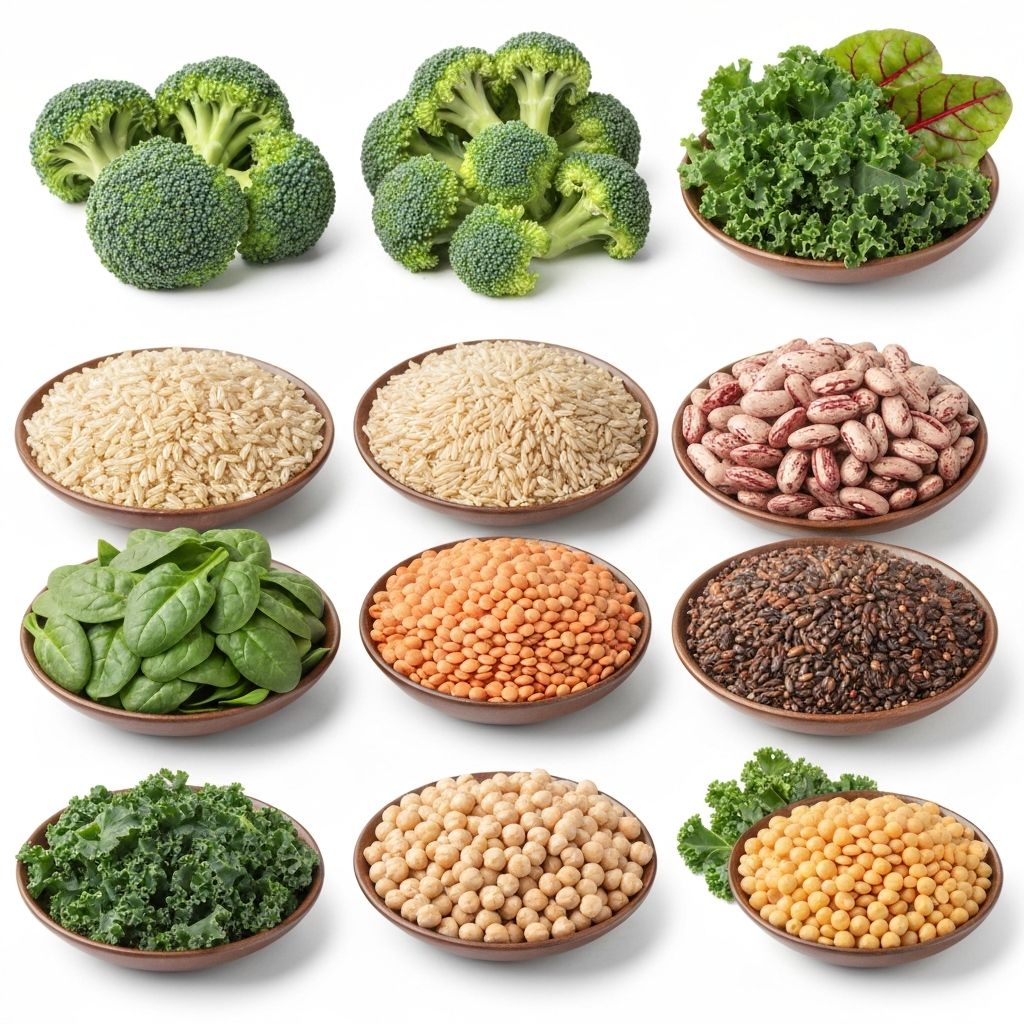
Understanding Dietary Fibre Types
Discover the different forms of fiber and their unique roles in digestive and metabolic health.
Read On →
Sleep Duration and Hunger Regulation
Learn the mechanisms connecting sleep quality to appetite hormones and food choices.
View Insights →
Non-Exercise Energy Expenditure
Explore how daily movement and lifestyle activities contribute to overall energy balance.
Learn More Facts →
Examining Popular Diet Myths
Evidence-based review of common nutritional claims and what research actually shows.
Discover Details →Frequently Asked Questions
Continue Your Nutritional Learning
Nutrition science continues to evolve as research methods improve and our understanding deepens. This resource provides evidence-based information on foundational concepts. For specific guidance tailored to your individual situation, consult qualified nutrition professionals or healthcare providers.
Educational content only. No promises of outcomes.