Protein's Role in Daily Nutrition
Understanding Protein Beyond Basic Energy
Protein consists of amino acid chains that serve functions far beyond providing calories. Every cell in the human body requires amino acids for structure, function, and repair. Understanding protein's multifaceted role reveals why it occupies such prominence in nutritional science.
Structural and Functional Roles
Amino acids form the building blocks of muscles, bones, cartilage, skin, and internal organs. They also serve as precursors for neurotransmitters, hormones, antibodies, and enzymes—molecules essential to every physiological process from digestion to immune function.
This structural role means protein requirements vary based on life stage, activity level, and health status. An aging adult may require different protein intake than a young athlete, and these needs extend beyond simple maintenance to support ongoing tissue turnover and adaptation.
Satiety and Appetite Signalling
Protein consumption triggers stronger satiety signals than equivalent calories from carbohydrates or fats. Multiple mechanisms contribute to this effect: protein stimulates release of peptide YY and glucagon-like peptide-1, hormones that communicate fullness to the brain. Protein also has a higher thermic effect—more energy is required to digest protein compared to other macronutrients.
These properties mean that protein-containing meals tend to produce lasting satisfaction and may reduce subsequent energy intake, though individual responses vary considerably.
Protein Sources and Quality
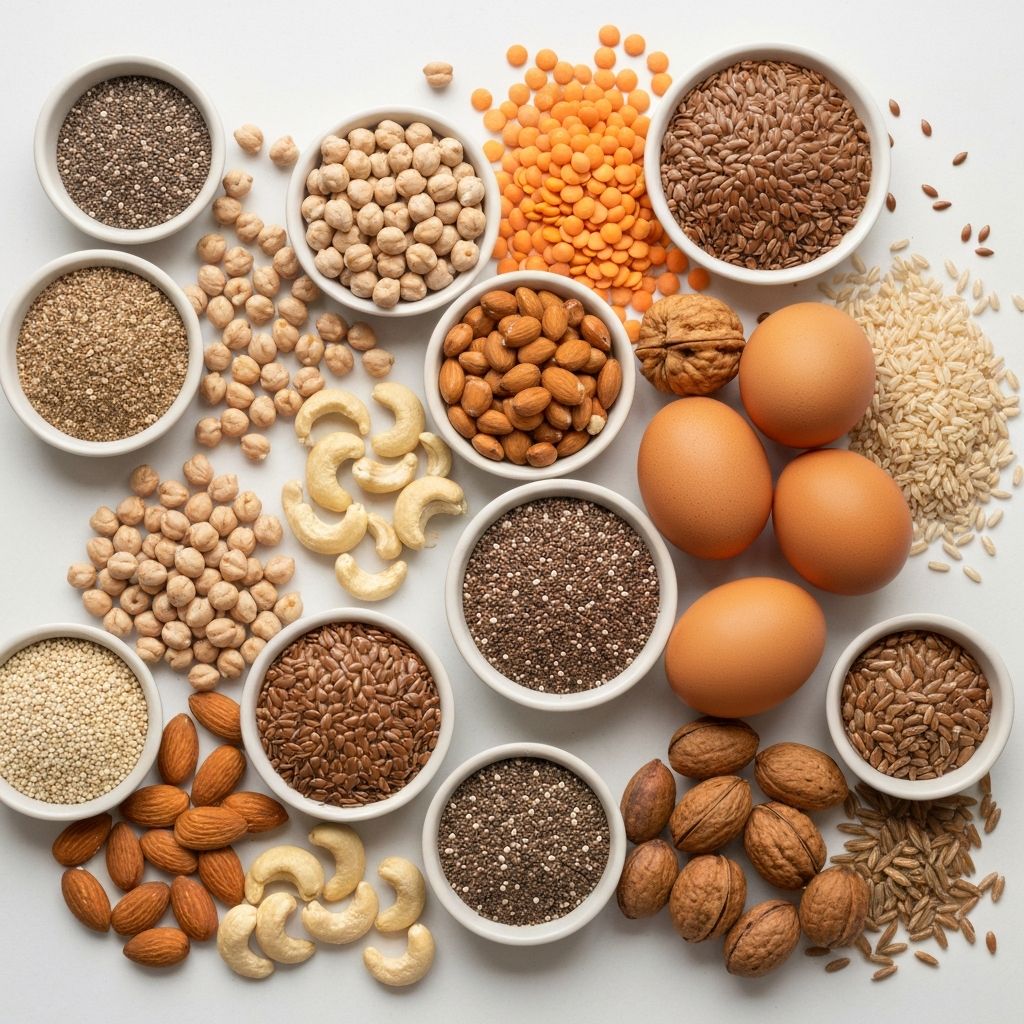
Dietary protein comes from varied sources: animal products (meat, fish, eggs, dairy) and plant-based foods (legumes, grains, nuts, seeds). Different sources provide varying amino acid profiles, micronutrient compositions, and associated food matrices.
Complete proteins contain all nine essential amino acids in adequate proportions; animal products typically offer this profile. Plant proteins often lack one or more essential amino acids but can be combined to achieve completeness. The overall dietary pattern—rather than individual food choices—determines whether amino acid needs are met.
Metabolic Adaptation and Exercise
During periods of increased activity or resistance training, muscle protein synthesis increases, raising amino acid requirements. Adequate protein intake supports this adaptive process, though the relationship is not linear—beyond certain thresholds, additional protein offers diminishing returns.
Post-exercise protein consumption, particularly when combined with appropriate exercise stimulus, influences muscle recovery and adaptation. However, total daily protein intake matters more than precise timing or specific amounts consumed in isolated meals.
Protein and Energy Balance
Because protein influences satiety, metabolic rate during digestion, and hunger signalling, it plays an important role in energy balance dynamics. Insufficient protein intake may compromise these regulatory systems, while adequate intake supports stable appetite and metabolic function.
Individual protein requirements depend on multiple factors including age, sex, activity level, health status, and metabolic adaptation to previous dietary patterns. Rather than a universal prescription, protein needs should be considered within the context of individual circumstances and overall dietary pattern.
Context and Consideration
This article provides educational information about protein's physiological roles. Individual protein requirements vary widely, and nutritional guidance should be personalised to individual circumstances. For specific recommendations regarding your own needs, consultation with qualified healthcare or nutrition professionals is appropriate.
Information Disclaimer
This content is provided for educational purposes only and does not constitute personal nutritional or medical advice. The information herein represents general knowledge of nutritional science. No outcomes are promised or implied. Individual nutritional needs vary significantly based on genetics, health status, activity patterns, and personal circumstances. For guidance tailored to your specific situation, consult with qualified nutritionists or healthcare providers.